Hi,
This is a topic that comes up in almost every client conversation: the impact of spam complaints on deliverability. According to the webinar Understanding Email Deliverability: Key Factors & Key Issues with Chad White, Heather Goff, and Daniel Deneweth, spam complaints remain one of the biggest factors affecting email deliverability in 2025. I thought it was worth sharing the key takeaways here.
Every “Report as Spam” click is a negative signal
When someone flags your message as spam, mailbox providers see it as a vote of distrust. It’s a negative engagement signal that feeds directly into reputation algorithms.
In practice, it’s like the recipient saying, “I don’t want to hear from this sender anymore.”
Tolerance is lower than ever
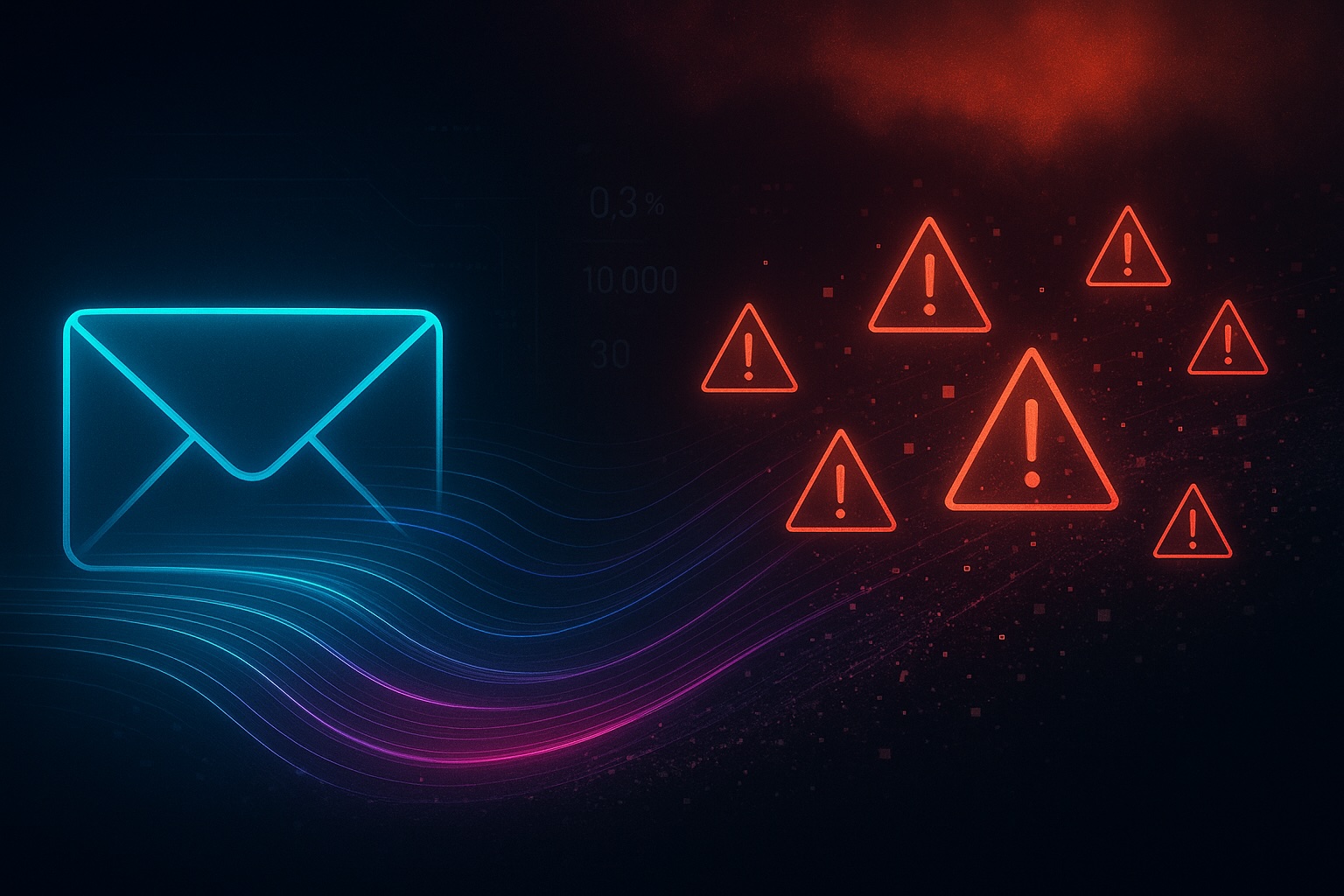
Google, Yahoo, and Microsoft are clear in their guidelines: your spam complaint rate must stay below 0.3%. Ideally, it should stay under 0.1%.
That means in a list of 1,000 sends, only 3 people can hit “Mark as Spam” before your reputation takes a hit. The ideal is just 1 person. Pretty tough, right?
Go above those thresholds, and the chances of blocks or emails landing straight in the spam folder go way up.
The challenge: you can’t control people’s reactions
So how do you make sure this doesn’t happen, given that it’s up to the recipient to decide whether to hit the spam button?
To make it trickier, even people who opted in to your list can still mark your messages as spam. I’ve seen it happen time and time again.
Sometimes it’s because they:
- couldn’t easily find the unsubscribe link,
- forgot they signed up,
- didn’t find the content relevant,
- or simply wanted to stop receiving emails quickly.
There’s no way to completely avoid these behaviors.
What you can (and should) do is influence
- Make opt-out easy: if someone wants to leave, make it simple. Add unsubscribe links in the body of your emails and enable the list-unsubscribe header. This lowers the chance of people using the spam button as a shortcut. This matters even more in cold outreach, as counterintuitive as it may sound.
- Provide context: always remind people why they’re receiving your message (e.g., “You signed up for…”).
- Stay relevant: the more targeted and useful your content, the lower the complaint risk.
- Be consistent: predictable frequency builds trust and sets expectations.
One extra detail most people overlook: abuse@ and postmaster@
Setting up these addresses on your domain shows transparency and professionalism. Beyond being a technical requirement, they create a formal channel for mailbox providers and users to report abuse.
Wrapping up
Spam complaints are inevitable, but you can reduce their impact with clarity, relevance, and best practices.
Remember: every “Mark as Spam” click weighs on your reputation. Over time, it can mean the difference between hitting the inbox or being invisible.
Have you ever had your spam rate cross the threshold? How did you handle it?
Cheers,
Fabrício